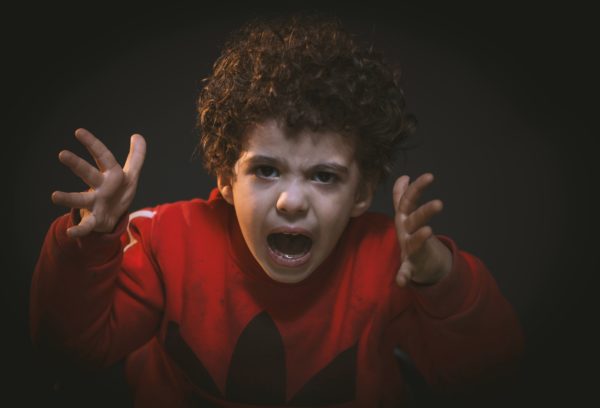
Depressive Disorders

The three most common depressive disorders found in children are:

Persistent Depressive Disorder (PDD) Major Depressive Disorder (MDD) Disruptive Mood Dysregulation Disorder (DMDD, added to DSM-IV 2013).

Childhood Bipolar Disorder is usually not apparent until adolescence, but may occur in early childhood also.

All children experience situational temporary moodiness, sadness, anger, and irritability, but when significant or drastic changes occur in emotional well being such as depleted interest level in things they usually enjoy, or lack of motivation to engage with friends and family, it’s time for concern. Atypical behaviors persisting over an extended period of time may indicate depression.

Persistent Depressive Disorder is less severe than Major Depressive Disorder, as children with PDD can participate in activities that children with MDD may not be able to. Friends and family may perceive a child with PDD as shy and introverted, rather than depressed. Furthermore, the child may have lived with depression for so long that he/she thinks it “normal.” Also, the longer a child lives with undiagnosed PDD, the more at risk they are for developing MDD. Childhood Bipolar Disorder, less frequently diagnosed in children, may look more like irritability, tantrums, and anger instead of typical bipolar mania.

  • Crankiness, anger, irritability, explosive temper
  • Continuous feelings of sadness and hopelessness
  • Social withdrawal; not wanting to do fun things
  • Being more sensitive to rejection
  • Changes in appetite, either increased or decreased
  • Changes in sleep (sleeplessness or excessive sleep)
  • Vocal outbursts or excessive crying
  • Trouble concentrating, affecting academic performance
  • Frequently tired, low energy, or tense and restless much of the time
  • Excessive unwarranted physical complaints
  • Trouble during events and activities at home, with friends, in school, during extracurricular activities, and with other hobbies or interests
  • Feelings of worthlessness, guilt, or shame
  • Showing self-injury and self-destructive behavior
  • Thoughts of death or suicide

The CDC on Anxiety and Depression in Children

  • Irritable or angry mood most of the day (nearly every day)
  • Severe temper outbursts (three or more times per week)
  • Trouble functioning due to irritability at home, school, or with peers
  • Violent and uncontrollable behavior in social situations

DMDD is only diagnosed between 10-18 years of age, if symptoms have been exhibited over a 12 month period.

National Institute of Mental Health

Diagnosis of Depressive Disorders

Through the course of development, almost all children will experience emotional ups and downs. However, when serious changes in emotional behaviors last for more than two weeks, a medical exam with a pediatrician may be in order. After a thorough exam, blood work, and collection of history data, the doctor will be able to rule out a plethora of other medical conditions before referring your child to a psychiatrist or pediatric neuropsychologist.

  • Elation or overly excited state; extremely silly, goofy, or giddy
  • Temper tantrums or rages typically triggered by parents setting limits or saying ‘no’ to requests
  • Excessive risk-taking
  • Disturbances in sleep, often with nightmares or night terrors
  • Racing thoughts
  • Fast or loud talking
  • Disorganization
  • Exaggerated sense of abilities or accomplishments
  • Unusual fear of death or loosing someone they love
  • Periods of low energy and withdrawal

The Bipolar Child by Demitri & Janice Papolos

Treatments

1. Natural physical health

  • Sleep regularity
  • Healthy balanced diet
  • Vitamin and mineral supplements
  • Rigorous exercise

Source: Natural remedies for treating bipolar disorder

2. Medication

3. Educational strategies to improve executive functioning

Source: Improving Executive functioning

Demitri Papolos provides two screening instruments, one for child and one for adult: BP Child Research

ADDitude Magazine provides an adapted version of the Child Bipolar Questionnaire: Bipolar Disorder Symptoms Test for Children

The Bipolar Child, by Dimitri Papalos (Juvenile Bipolar Research Association)

The Child Mind Institute on Bipolar Disorder

National Institute on Mental Health on Bipolar Disorder

Disruptive Behavior Disorders

The two most common disruptive behaviors diagnosed in children

Oppositional Defiant Disorder (ODD) Conduct Disorder (CD)

CD is more severe & intense than ODD

ODD is observed as negative, defiant, disobedient, and hostile behavior towards authority figures, whereas CD is noted by antisocial behavior, repeatedly breaking social rules, and carrying out aggressive acts. Children with CD also intentionally violate the rights of others.

Factors that may contribute to the development of disruptive behaviors are environment, trauma, and neurological damage. Children with ADHD are at higher risk for developing disruptive disorders.

Oppositional Defiant Disorder, defined by childhood aggression and purposeful misbehavior, is more common in boys than in girls. All children typically exhibit some of these symptoms at some point in their development, but a child with ODD has significant misbehavior for long periods of time, making daily life difficult for all involved.

  • Frequent angry outbursts
  • Refusal to follow rules
  • Questioning authority repeatedly
  • Excessive arguing with adults
  • Frequent and intense temper tantrums
  • Deliberate attempts to annoy others
  • Aggressive behaviors
  • Spiteful toward others
  • Blames others for mistakes
  • Symptoms interfere with daily functioning and relationships
  • Are present for more than 6 months
  • Occur in multiple settings
  • Are beyond the scope of typical childhood defiance
  • Begin before 8 years of age

Conduct Disorder is a serious emotional and behavioral disorder characterized by persistent antisocial and aggressive behaviors. It occurs in children and teens and can develop into personality disorders in adulthood. It is long-lasting and violates the rights of others, disrupting the child’s or family’s everyday life.

  • Aggressive: harms animals or other humans, bullies, threatens, and fights
  • Destructive: intentional destruction of property, arson, and vandalism
  • Deceitful: lying, stealing, and breaking into homes and/or cars
  • Breaking of rules: skipping school, running away, and breaking social norms

Diagnosis of Disruptive Disorders

If symptoms appear significant, a child should visit a pediatrician for screening through labs to determine if a medical condition is the root cause for the behaviors. After medical conditions are ruled out, the doctor may refer the child to a psychiatrist or pediatric neuropsychologist for further evaluation. Early diagnosis and intervention may reduce the risk of comorbid mood disorders and eventual incarceration.

From the menu of treatments listed in this section, parents should choose those that address specific needs of their child or family based on the dynamics of the family, the child’s personality, and the extent of the disruptive behavior.
  • Parent training in behavior management techniques such as de-escalating, creating structure, reinforcing good behavior, providing consistent discipline, and strengthening the relationship with their child through positive communication (Kaminski & Claussen, 2017)
  • Family therapy
  • Social skills training programs, often in groups to teach relationship building and other social skills
  • Medications for comorbid conditions such as ADHD or depression
  • Parent Strategies to deal with Disruptive Disorders
    1. Avoid power struggles.
    2. Try ignoring minor behavior issues by choosing your battles.
    3. Post and discuss household rules.
    4. Allow plenty of time for imaginative play.
    5. Limit the number of questions you ask your child.
    6. Establish specific consequences.
    7. Look for things to praise your child about, reinforcing positive behaviors with positive attention.
    8. Schedule daily time to spend with your child, one on one.
    9. Model positive behaviors for your children to observe.

Nationwide Children’s Hospital

The Very Well Family

ADDitude Magazine

Treatment of Disruptive Behavior Problems: What Works, Center for Disease Control

Diagnostic Statistical Manual-5th Edition, 2013

Kaminski, J. W., Claussen, A. H. (2017) Evidence base update for psychosocial treatment of disruptive behaviors in children. Journal of Clinical Child and Adolescent Psychology, 2017, 46:4, 477-499.